Evolution of Internet Technologies: From Web 1.0 to Web 3.0
Reshaping how we connect, create, and innovate
The internet has altered our world over the past few decades, transforming how we communicate, do business, and engage with technology. The web has evolved significantly from the static web pages of the early 1990s to the decentralised, user-centric systems that are emerging today. The three main stages of this trip are Web 1.0, Web 2.0, and Web 3.0. Every phase introduced novelties of its own and transformed the way people interacted with the virtual world.
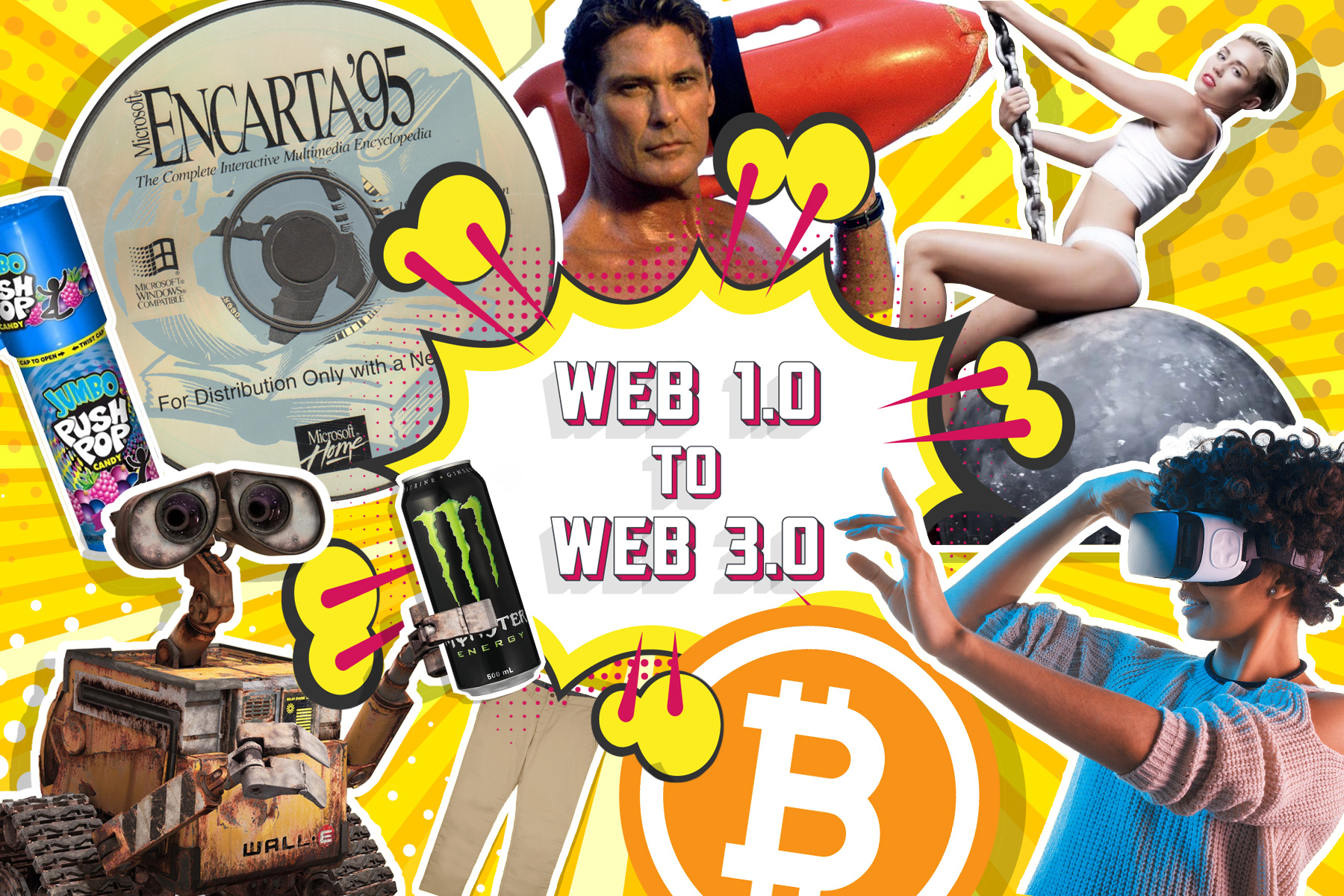
 Web 1.0: The Static Web (1990s - Early 2000s)

- Static Pages: These were straightforward HTML-based websites with infrequently updated content.
- Limited Interactivity: Due to the lack of dynamic engagement or user inputs in website design, user participation was minimal.
- Text-Heavy: With minimal multimedia capabilities, the web was primarily text-based.
- Directories and Search Engines: While search engines like AltaVista and Google evolved to aid users in navigating the expanding web, early platforms such as Yahoo! directories assisted users in finding information.
 Web 2.0: The Social and Interactive Web (Mid-2000s - Present)

- User-Generated Content: By enabling users to produce and distribute information, websites such as Facebook, YouTube, and Wikipedia transformed the internet from a broadcast medium into a collaborative one.
- Social Networking: With the introduction of Web 2.0, a social layer to the internet connected individuals all over the world via social media sites such as LinkedIn, Instagram, and Twitter.
- Interactivity and Rich Media: Websites grew increasingly interactive, giving multimedia capabilities, such as video streaming, live chats, and interactive features.
- Web Applications: Web 2.0 brought interactive apps to the web, such as e-commerce platforms and Google Docs, replacing static webpages.
 Web 3.0: The Decentralized Web (Emerging)

- Decentralisation: Web 3.0 uses blockchain to decentralise data ownership and return power to consumers, in contrast to Web 2.0, where data is managed by centralised platforms.
- Cryptocurrencies and Smart Contracts: Blockchain-enabled features, such as cryptocurrencies and smart contracts, enable peer-to-peer transactions without middlemen, upending established markets in the finance and business sectors.
- Semantic Web: Web 3.0 attempts to improve personalisation and search results by empowering machines to comprehend and interpret data in a manner akin to that of humans.
- Improved Security and Privacy: Users that utilise decentralised systems have greater control over their data, which is enhanced by decentralised storage and encryption.
- AI and Machine Learning: Web 3.0 will incorporate AI-powered technologies to offer more effective search, personalised experiences, and behavior-based automated decision-making.
The internet’s path from Web 1.0 to Web 3.0 is a story of rising user participation, interaction, and decentralization. The Web 1.0 was a static, read-only network; Web 2.0 was dynamic and socially driven; and Web 3.0 is a decentralised, user-centric network. These developments in internet technology continue to change the way we interact with the digital world. With blockchain and AI playing a key role, we may anticipate seeing more individualised, secure, and user-controlled online experiences as Web 3.0 takes shape. By giving consumers the ability to take control of their online identities, transactions, and data, the upcoming phase will build a more open and just digital economy going forward.


Web 3.0 is amazing, but important to keep the balance between online/offline presence!
ReplyDeleteYeah, I think the virtual presence is getting into peoples head and starting to occupy much more estate in their conscious or subconscious, to the point that we are craving it all the time and I agree with you we need to find a balance between both.
DeleteWhat is your biggest fear of Web 3.0? Will real word experiences suffer
ReplyDeleteMy biggest fear is that I might be too late to jump on it, I think it is inevitable and i want to be among the top 20% or 30% to explore it and use it to make revenue from it before it is too late.
DeleteI think it is beautiful and fascinating to see the internet development from Web 1 to Web 3 in a relatively short time. I hope this progress will be put to great use.
ReplyDeleteSome wise words there anonymous, happy to have you here !!!
DeleteI remember life before the internet, when finding information meant going to the library, and now we carry the world’s knowledge in our pockets. The internet has transformed our lives like discovering fire or creating the wheel did.
ReplyDeleteI share the same opinion as you, I think the internet just unlocked a different dimension of potential that goes beyond our imagination
DeleteFrom Web 1.0 to Web 3.0 and IoT. These are becoming the new standards.
ReplyDelete